Featured
Some Known Details About Regulatory Aspects Related to De...
The Main Principles Of Typical Misconceptions Surrounding...
The smart Trick of How Hesitating to Get Debt Help Will C...
The 20-Second Trick For Understanding Different Debt Forg...
Some Known Details About Regulatory Aspects Related to Debt Forgiveness
Table of Contents
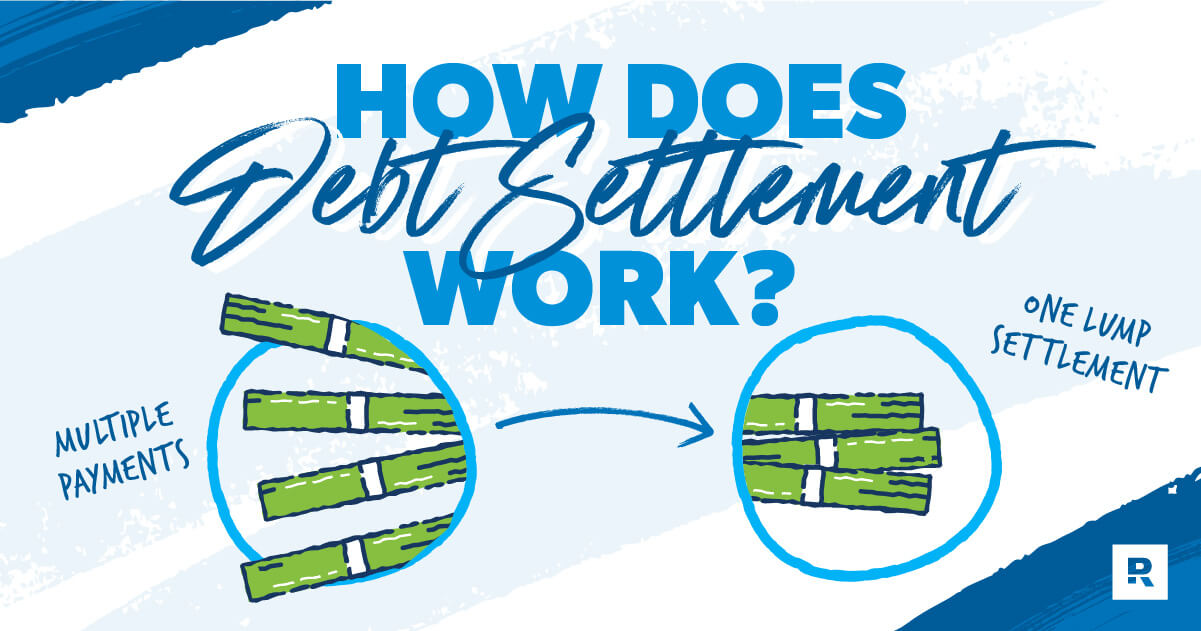
That maximizes money in the short-term, and you may have three to 4 years to conserve toward the settlement quantity. Really harmful to credit history ratings, mainly due to missed repayments and an unfavorable "settled" mark that can stay on your credit score report for up to 7 yearsMay be only choice if other alternatives (debt consolidation, balance transfer bank card, financial debt mercy) aren't possibleTypically requires a cost to the 3rd party, which could counter some or all of the cost savings from financial debt settlementMay assist you avoid bankruptcy if you've missed numerous paymentsNot all lenders work with financial obligation settlement business Debt mercy might be right for you if you are experiencing a financial challenge that makes it nearly difficult to pay down your financial debt balances.
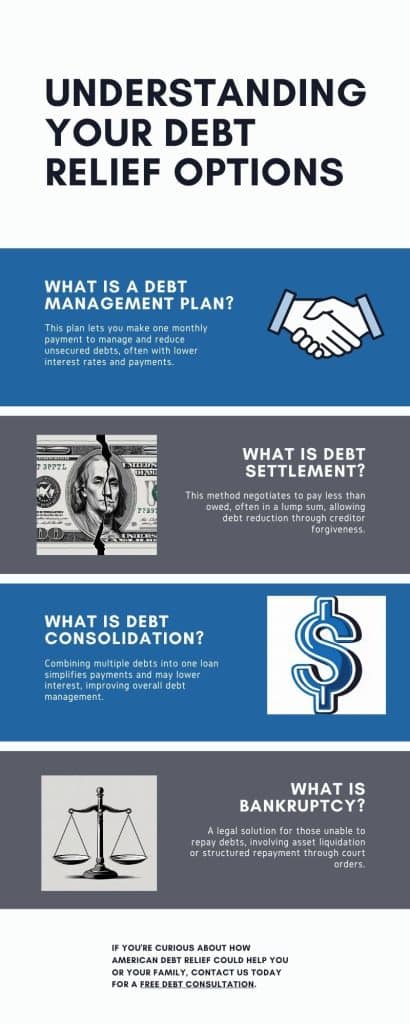
With a DMP, you make one regular monthly settlement to the credit score counseling agency. Those funds are then distributed to financial institutions of your unsecured debts, such as charge card and installment loans. The agency deals with your financial institutions to minimize rate of interest or waive charges, but some financial institutions may refuse such giving ins.
It can assist you pay down financial debt if you're able to protect a finance rate that's reduced than the average price of the accounts you're settling. You have to abstain from racking up debt on those freshly gotten rid of accounts or your financial debt can grow even greater.
These cards frequently supply a 0% interest introductory duration of as much as 21 months. That gives you lots of time to remove or dramatically minimize your equilibrium while making interest-free payments. For some people facing impossible debt, insolvency might be the only method to quit collection procedures and lawfully resolve their financial obligations.
The smart Trick of Professional Guidance Safeguards What You've Worked For That Nobody is Talking About
You might need it if your creditor or a collection company ever tries to accumulate on the financial obligation in the future. The letter might confirm you don't owe what the collection firm's documents show. Yes, in many cases, the internal revenue service takes into consideration forgiven financial obligation as gross income. When a loan provider forgives $600 or even more, they are called for to send you Type 1099-C.
Financial obligation forgiveness or negotiation usually hurts your credit report. Anytime you work out a financial obligation for much less than you owe, it might look like "cleared up" on your credit record and affect your credit rating for 7 years from the day of negotiation. Your credit scores can also drop considerably in the months resulting in the forgiveness if you fall behind on repayments.
6 Easy Facts About The Pros and Drawbacks When Considering Bankruptcy Shown
This circumstance commonly results from underreporting revenue, not submitting returns on time, or disparities located during an Internal revenue service audit. The consequences of gathering tax obligation financial debt are serious and can include tax liens, which give the Internal revenue service a lawful insurance claim to your residential or commercial property as security for the financial obligation.
Incomes and Bank Accounts Internal revenue service can impose (confiscate) earnings and financial institution accounts to please the debt. Building Seizure In severe situations, the IRS can seize and offer home to cover the debt.
Clinical depression, anxiousness, and various other mental health and wellness problems. Social Preconception Facing lawful action from the IRS can lug social stigma. Damages to credibility and connections. Employment Opportunities A poor credit history rating due to strain financial obligation can limit employment opportunities. Problem searching for or maintaining a job. Federal government Advantages Tax financial debt may affect qualification for federal government advantages, such as Social Safety and Medicaid.
Rumored Buzz on Federal Initiatives That Offer When Bankruptcy Counseling Suggests Debt Management or Forgiveness Instead
The OIC takes into consideration numerous elements, consisting of the taxpayer's earnings, costs, possession equity, and capacity to pay. Successfully working out an OIC can be intricate, requiring a detailed understanding of the IRS's guidelines and a strong argument for why your deal lines up with your ability to pay. It is very important to keep in mind that not all applications are accepted, and the process needs in-depth monetary disclosure.
The internal revenue service analyzes your overall monetary situation, including your income, expenditures, asset equity, and capacity to pay. You must also be present with all declaring and repayment demands and not remain in an open bankruptcy proceeding. The IRS also considers your compliance history, assessing whether you have a record of timely filing and paying taxes in previous years.
Preventing Additional Debt Traps After Debt Relief for Dummies
The application process for an Offer in Compromise involves a number of thorough actions. You have to finish and send IRS Kind 656, the Deal in Concession application, and Kind 433-A (OIC), a collection info statement for people. These kinds need thorough monetary info, including information regarding your income, financial debts, costs, and assets.
Back tax obligations, which are unpaid taxes from previous years, can dramatically boost your total IRS financial obligation otherwise resolved without delay. This debt can accumulate interest and late repayment fines, making the original quantity owed much bigger over time. Failing to pay back taxes can cause the IRS taking enforcement activities, such as providing a tax obligation lien or levy versus your residential or commercial property.
It is essential to deal with back tax obligations as quickly as feasible, either by paying the sum total owed or by setting up a settlement plan with the IRS. By taking aggressive actions, you can prevent the build-up of additional interest and penalties, and protect against much more hostile collection actions by the internal revenue service.
One usual factor is the idea that the taxpayer can pay the complete amount either as a round figure or through a layaway plan. The internal revenue service likewise thinks about the taxpayer's earnings, expenses, possession equity, and future earning possibility. If these variables suggest that the taxpayer can manage to pay even more than the used quantity, the IRS is likely to deny the offer.
What Does What Sets APFSC Apart in Competing Debt Relief Companies Do?
It is vital to give accurate and full information in your application and to talk to a tax obligation professional to boost the opportunities of approval. Handling internal revenue service financial debt can be complicated and daunting. Tax professionals, such as Certified public accountants, tax obligation lawyers, or enrolled representatives, can offer invaluable assistance. They have the expertise to navigate the ins and outs of tax obligation legislation and IRS procedures.

Table of Contents
Latest Posts
Some Known Details About Regulatory Aspects Related to Debt Forgiveness
The Main Principles Of Typical Misconceptions Surrounding Debt Forgiveness
The smart Trick of How Hesitating to Get Debt Help Will Cost You That Nobody is Discussing
More
Latest Posts
Some Known Details About Regulatory Aspects Related to Debt Forgiveness
The Main Principles Of Typical Misconceptions Surrounding Debt Forgiveness
The smart Trick of How Hesitating to Get Debt Help Will Cost You That Nobody is Discussing